Insulating a metal shed is crucial. It preserves the structure. It stops condensation. It enhances energy efficiency. It controls temperature. It protects stored items.
Start with fiberglass batt insulation. It's thermally efficient. It's affordable. It prevents mold.
Consider spray foam next. It has a high R-value. It fills gaps. It resists water.
Use foam board for precise fitting. It stops heat loss. It boosts efficiency.
Choose insulation based on climate. Aim for stable temperatures. Fight moisture. Pick materials wisely.
Improve energy efficiency. Increase durability. Reduce noise. Keep pests out.
Follow these steps for better insulation.
Insulating metal sheds is crucial. It preserves the structure, prevents condensation, and boosts energy efficiency.
Insulation acts as a barrier, regulating temperature. This prevents condensation, mold, and rust. It protects the shed's contents from temperature extremes. The shed lasts longer.
Insulation also cuts energy costs by reducing heat loss in winter and heat gain in summer. This lowers utility bills and creates a comfortable shed environment.
Insulating a metal shed is a smart investment. It protects the shed, saves money, and improves usability.
When insulating metal sheds, exploring various materials is key for optimal energy efficiency and weather protection. There are several insulation types:
Choose insulation based on climate, shed use, and material properties. Consulting experts, such as Alan Bernau Jr of Alans Factory Outlet, can guide you to the best choice.
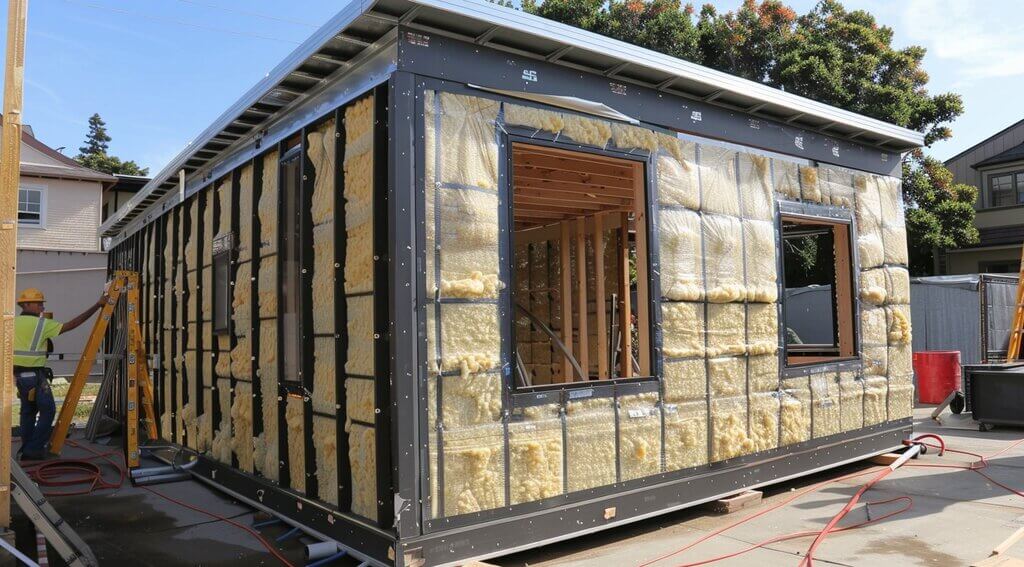
Fiberglass batt insulation is a top choice for metal sheds. It boosts thermal efficiency affordably. This method fights condensation and stabilizes temperatures. Installation is straightforward. Measure, cut, and fill spaces for optimal insulation.
It's cost-effective, preventing mold, rust, and energy loss. Fiberglass batt insulation transforms metal sheds into comfortable spaces. It ensures energy savings and protection against the elements.
Spray foam insulation significantly enhances a metal shed's temperature control. It boasts an R-value of 6.5 per inch, ensuring strong thermal resistance. The foam expands to fill gaps, creating a tight seal.
For moisture-prone areas, the closed-cell variant is best, offering water resistance. Application is straightforward, saving time and effort. By serving as a vapor barrier, it also prevents moisture accumulation.
This method efficiently maintains the shed's condition and performance.
To insulate a metal shed with foam board, start by measuring the walls or roof. Cut foam boards to those measurements for a snug fit. Each piece should fill the space completely to avoid thermal gaps.
Use special adhesive for foam boards to attach them securely. Ensure each board is aligned correctly, forming a continuous layer. This prevents thermal bridging, keeping the shed's temperature stable.
Foam board insulation is ideal for straight surfaces like walls, ceilings, and floors but not for curved walls. Following these steps closely improves your shed's energy efficiency, making it more comfortable for use.
Exploring efficient, budget-friendly insulation for a metal shed involves several options. Reflective foil and loose-fill insulation stand out for their cost-effectiveness. They help control temperature and cut energy costs. Here's a breakdown:
Each method has its benefits. Choose based on your shed's specific needs and your budget.
Insulating a metal shed is crucial for climate control. It helps maintain stable temperatures, reducing heat loss in winter and heat gain in summer. This leads to a more comfortable interior and lower energy costs. Insulation also prevents condensation, mold, and rust, protecting the shed's structure.
Before insulating, consider local weather, temperature goals, and insulation type. Options include fiberglass batts, spray foam, and reflective foil. Each has different thermal and moisture control properties.
Choosing the right insulation and installing it properly ensures effective climate management. This improves comfort, energy efficiency, and the shed's durability.
Enhancing a metal shed's energy efficiency through insulation is crucial. Here are the steps and benefits:
Each step is vital for an efficient, durable metal shed.
Insulating a metal shed boosts energy efficiency and controls temperature. It also blocks external noise. Use foam boards, spray foam, or fiberglass to minimize sound.
Seal gaps and add sound-absorbing materials for better noise control. Consider soundproofing panels or acoustic insulation for the best results. This makes the shed quieter and more comfortable for activities.
Choose the right insulation materials for effective noise reduction. This approach ensures a peaceful shed environment.
To protect a metal shed from pests, applying closed-cell spray foam insulation is crucial. Here's a step-by-step guide for effective pest control:
