Basement wall insulation is crucial for an energy-efficient home. It cuts energy bills and keeps indoor temperatures stable. This insulation also prevents moisture and mold.
Homeowners can choose from various materials to meet their needs. Understanding the importance of this insulation and the options available is key to a comfortable home.
Basement wall insulation cuts heat loss significantly, boosting a home's energy efficiency. It reduces heating bills by preventing about 20% of total heat loss. This insulation keeps temperatures steady, enhancing comfort. It also stops moisture-driven heat loss, blocks air leaks, and deters mold.
Since many basements are under-insulated, adding insulation is key for energy savings and a healthier home. Combining insulation with other home repairs amplifies benefits.
Basement walls benefit from specific insulation types for efficiency and suitability. Rigid foam options like polyisocyanurate, EPS, and XPS stand out. Polyisocyanurate, with its high R-value, saves space.
EPS resists moisture well and is affordable. XPS is ideal for damp areas due to its moisture control. For insulating between studs, consider mineral wool batts, especially in moist locations.
Foamglas, though costly, provides strong insulation at R-3.3/inch. Mineral wool boards offer thermal resistance and act as an ignition barrier, enhancing safety. Each material has unique advantages for basement insulation, addressing moisture, space, and safety concerns.
To begin insulating your basement, first apply adhesive to polystyrene panels.
This method ensures a well-insulated, efficient basement.
Selecting the right insulation material is crucial for energy efficiency and cost savings in interior foundation projects.
Start with XPS foam boards. They're affordable, at less than $0.5/sq ft for R-5 insulation.
Next, consider mineral wool boards. They provide thermal resistance and act as ignition barriers.
Foamglas is another option. It offers an R-value of 3.3 per inch but is expensive.
Alternatively, use closed-cell foam or XPS spray. It's cost-effective for spraying on interior walls.
Don't forget to insulate above-ground areas like windows for maximum efficiency.
Choose materials based on your project needs for a comfortable, well-insulated space.
To improve your home's energy efficiency on a budget, consider these strategies for insulating windows and doors, thus reducing heat loss:
Each step offers a practical, budget-conscious method to boost your home's energy efficiency.
Insulating basements from the outside boosts energy efficiency and blocks moisture. This method controls heat loss better than interior insulation.
First, excavate around the foundation. Next, apply insulation materials. Then, install a protective barrier.
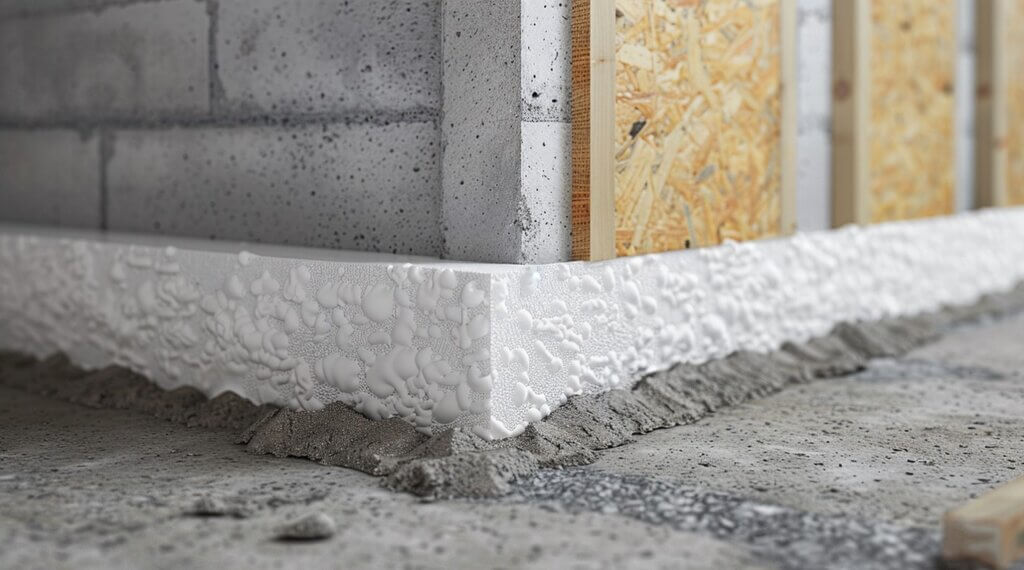
Exterior insulation, combined with proper drainage, significantly improves moisture management. This approach ensures a stable basement temperature and strengthens foundation durability. It results in a healthier, more energy-efficient home.
Insulating a basement from the inside boosts home energy efficiency. Here's a step-by-step guide:
Each step is crucial for a well-insulated basement. Follow these guidelines for best results.
Insulating crawl spaces and concrete slabs boosts home energy efficiency.
This step saves up to 18% on energy costs for crawl spaces.
For concrete slabs, it cuts heat loss by about 10%.
Insulation keeps energy use low.
It also improves indoor air by reducing moisture.
Since concrete loses heat fast, insulation is key.
Homeowners gain comfort and save energy by doing this.
Short, valuable sentences guide this explanation.
