Installing insulation is a step-by-step process. First, choose the right insulation material. Different types suit different spaces.
Next, prepare the area. This involves cleaning and possibly repairing any damage. Measure the space accurately. Cut the insulation to fit these measurements.
Install the insulation carefully, ensuring no gaps. Seal it well to prevent air leaks. Different areas of your home might need different insulation strategies. For walls, fiberglass batts are common. For attics, loose-fill or spray foam might be better.
Always wear protective gear. Insulation materials can be harmful to touch or inhale. Follow manufacturer instructions closely. Every step is crucial for energy efficiency. Proper installation ensures a comfortable home.
Insulation is key to keeping homes warm in winter and cool in summer. It reduces heat transfer, ensuring a comfortable home year-round. There are different types of insulation: fiberglass, cellulose, and foam, each with unique benefits. The R-value measures how effective insulation is, with higher R-values indicating better insulation.
Install insulation starting from the top, making sure it fits snugly and avoiding compressing the material. Proper installation can lower energy bills and improve indoor comfort. Understanding insulation helps homeowners choose and install it correctly.
When choosing insulation, first consider your climate's R-value needs.
Each point helps in making an informed decision, focusing on practical aspects.
To install attic insulation effectively, start by selecting the right material. Options include fiberglass, cellulose, or rock wool. Here's how to proceed:
Follow these steps for a successful installation. Each step is designed for maximum effectiveness and efficiency in insulation installation.
To tackle insulation installation hurdles, focus on precision.
First, encounter electrical boxes? Split fiberglass batts for a snug fit. Ensure to tuck insulation behind outlets and AC lines, avoiding gaps.
Next, cut insulation precisely around pipes and plumbing to prevent heat escape. Avoiding voids is crucial for a continuous thermal barrier.
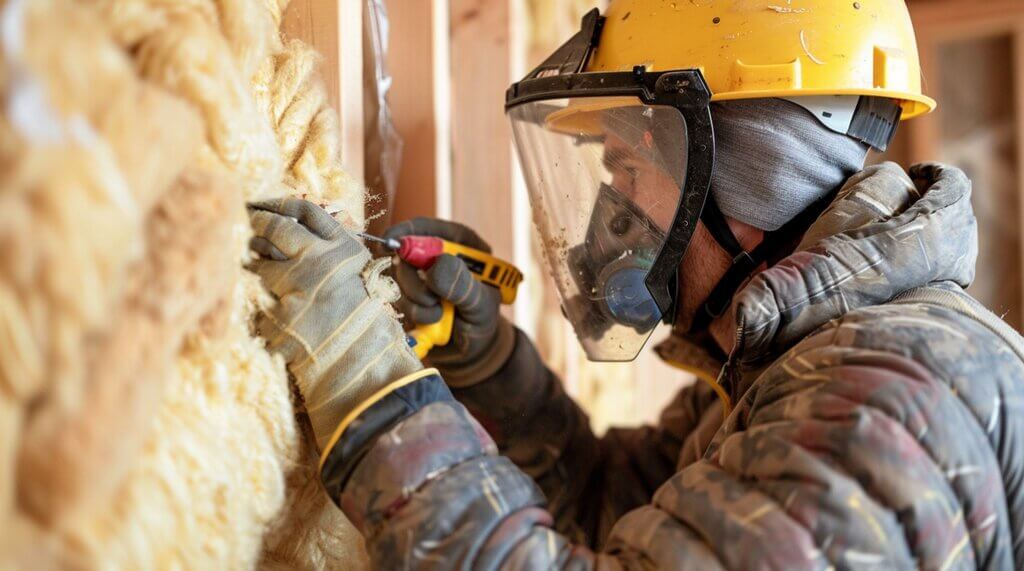
When insulating windows, opt for low expansion foam. It seals air without damaging the window frame. Each step aims to enhance insulation effectiveness, cutting energy costs.
Keep sentences brief and to the point. Focus on clear, actionable steps. Avoid unnecessary details. This approach ensures a successful installation.
To ensure maximum moisture control, follow these essential steps for vapor barrier installation:
Begin by selecting low expansion foam, ideal for windows and doors. This foam prevents bowing and ensures an airtight seal.
Start at the top, filling every cavity completely. Use pre-cut blockers around windows and doors for added efficiency.
Incorporate fiberglass bats with a paper face to avoid condensation. These steps, focusing on proper materials, boost your home's energy efficiency and comfort.
After insulation installation, prioritizing safety is crucial.
Follow these steps for your health and safety post-installation.
